What Is a Plantain?
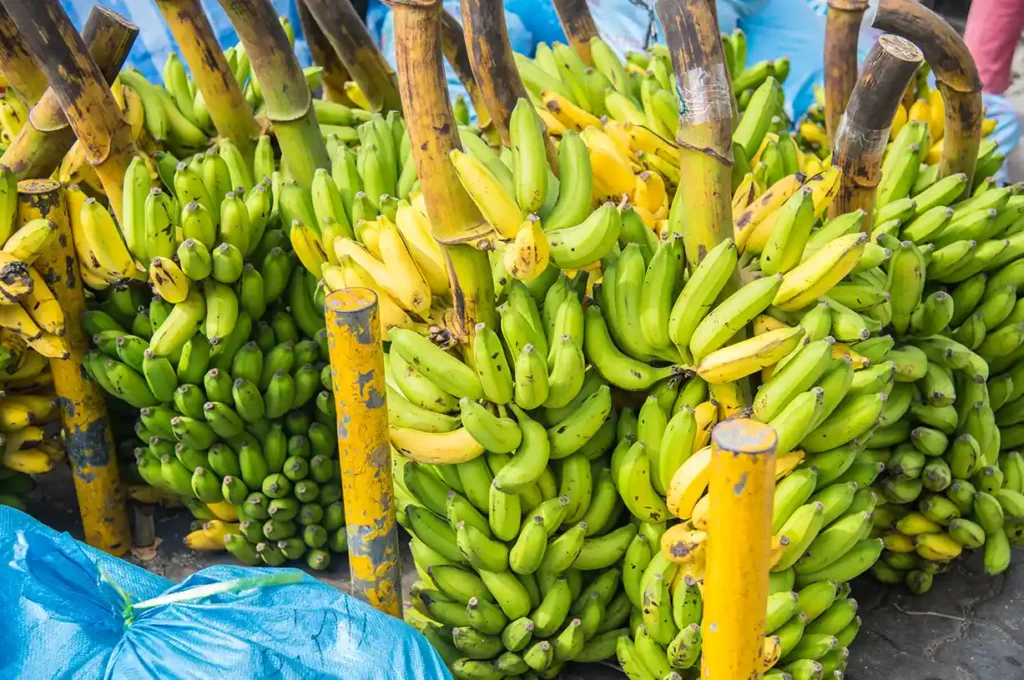
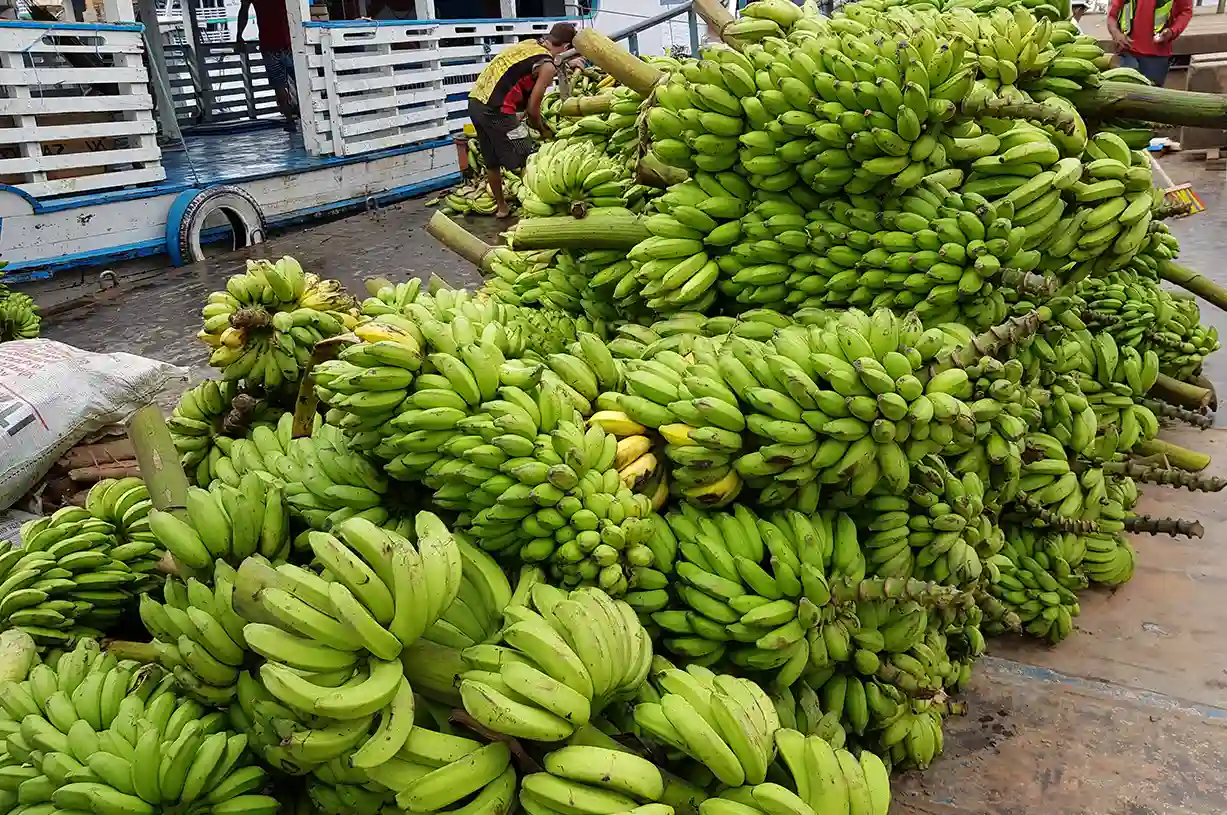
A plantain is a starchy, less-sweet member of the banana family widely cultivated in tropical regions such as Africa, South America, and South Asia. Unlike regular bananas, plantains are firm, high in starch, and mainly eaten cooked.
In global trade, plantains are classified as “cooking bananas” and are a significant export product for countries like India, Uganda, and Côte d’Ivoire. Their durability, longer shelf life, and versatility make them ideal for export to regions where demand for tropical staples is growing—particularly in the Middle East, Europe, and North America.
Plantains are typically boiled, fried, baked, or grilled, offering a texture and flavor similar to potatoes. Their adaptability to various cuisines has made them one of the fastest-growing tropical export commodities in recent years.
Key Differences Between Plantain and Indian Banana
Both plantains and Indian bananas belong to the same genus (Musa), but they serve distinct purposes in diet, trade, and cuisine. Understanding these differences helps both consumers and importers make informed decisions when sourcing tropical fruits.
Appearance and Size
Plantains are larger, thicker, and heavier than Indian bananas. They can reach up to 30 cm in length and have a tough, fibrous peel that transitions from green to yellow and eventually black as they ripen.
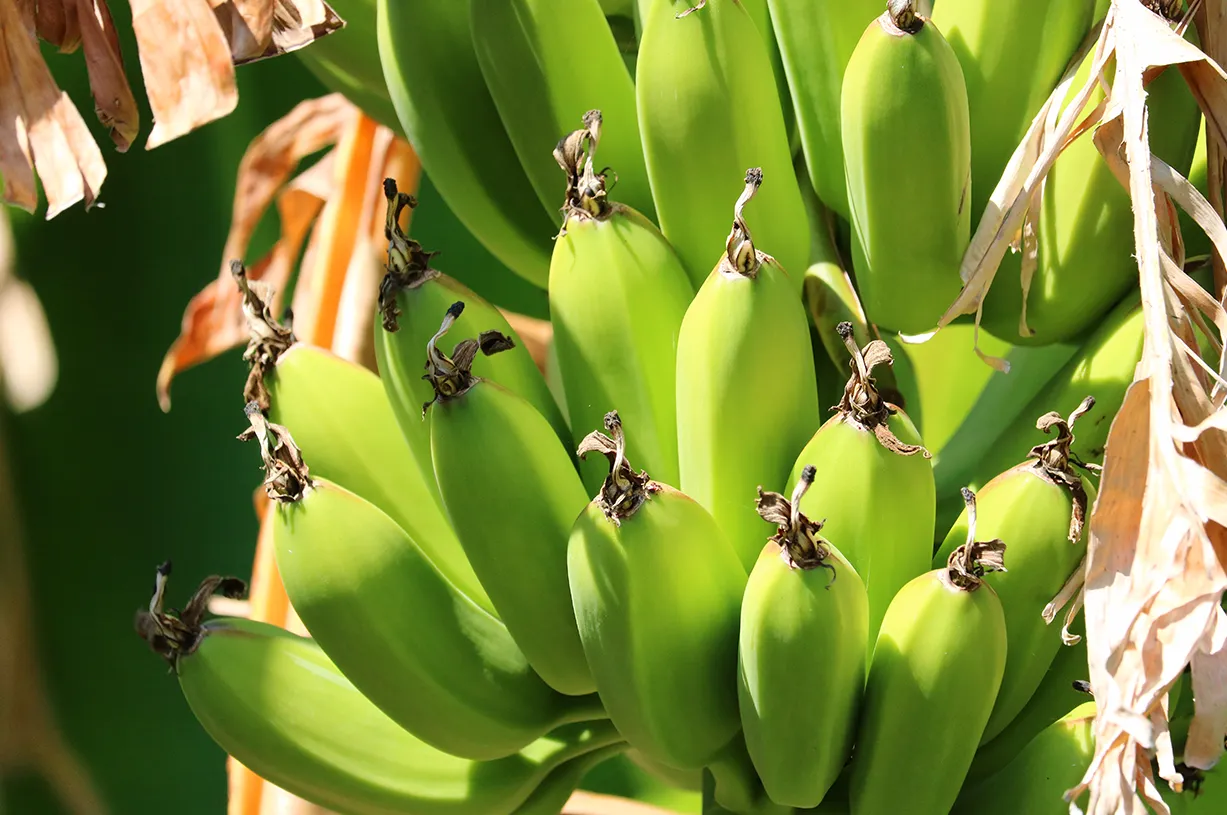
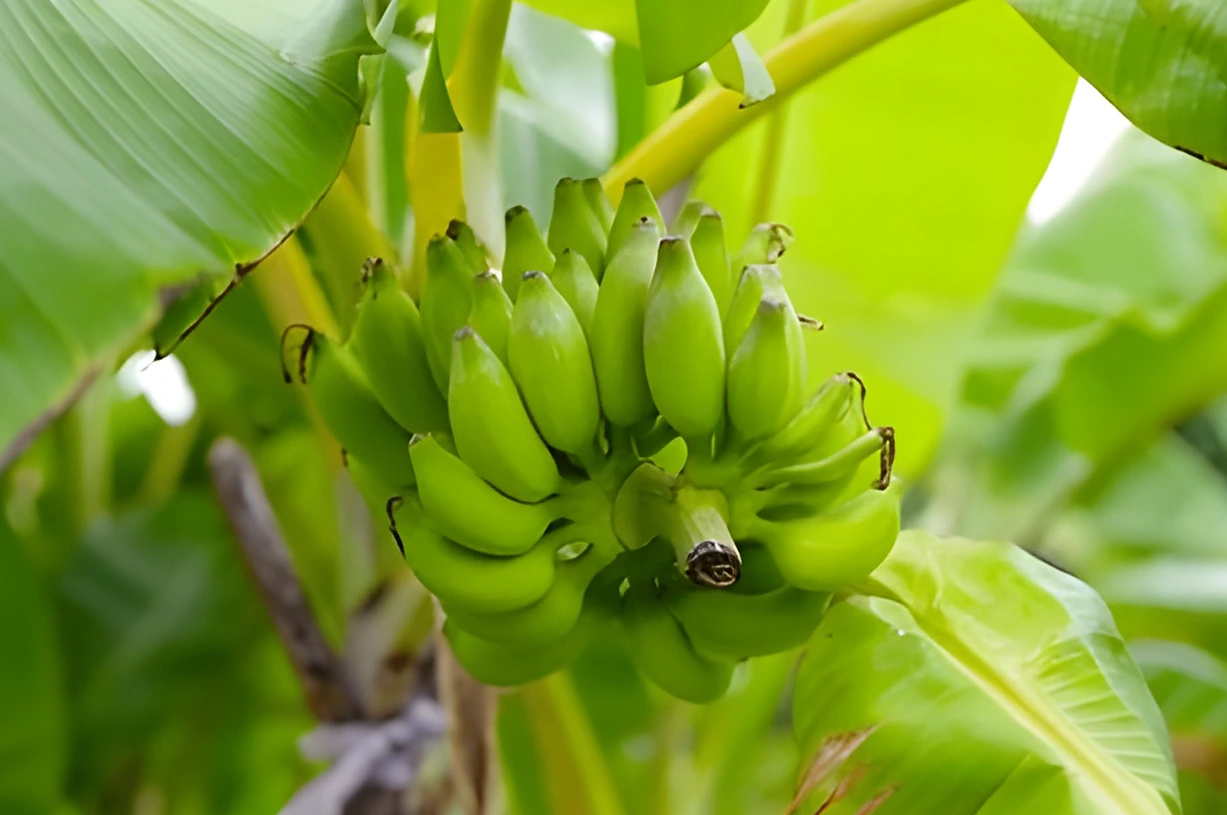
Indian bananas, such as Robusta, Grand Nain, Rasthali, and Poovan, are smaller and smoother, with thin yellow skin and a more delicate aroma. These varieties are highly sought-after in export markets for their visual appeal, sweetness, and freshness, particularly in Asia and the Middle East.
In short:
- Plantains → larger, starchier, and for cooking.
- Indian bananas → smaller, sweeter, and for direct consumption.
Taste and Texture
The taste profile of these two fruits is one of their most defining contrasts.
- Plantains are mild and starchy when unripe, developing a subtle sweetness as they ripen. When cooked, they offer a satisfying, firm bite, similar to root vegetables.
- Indian bananas are naturally sweet and creamy, perfect for raw consumption. Their flavor ranges from mildly sweet (Grand Nain) to intensely aromatic (Rasthali).
This taste difference determines how each fruit is used — plantains in savory dishes and Indian bananas in desserts or snacks.
Nutritional Comparison
Both fruits are nutritious, but their composition suits different dietary needs.
| Nutrient (per 100g) | Plantain | Indian Banana |
| Calories | 120 kcal | 89 kcal |
| Carbohydrates | 31 g | 23 g |
| Fiber | 2.3 g | 2.6 g |
| Sugar | 14 g | 12 g |
| Potassium | 490 mg | 358 mg |
| Vitamin A | High | Moderate |
| Vitamin C | High | Moderate |
| Vitamin B6 | Moderate | High |
| Glycemic Index | Low | Medium–High |
Plantains provide complex carbohydrates, making them ideal for long-lasting energy and cooked meals, while Indian bananas are rich in natural sugars, offering quick energy and a sweeter flavor.
From a trade perspective, these differences help exporters position plantains as a nutrient-rich cooking fruit and Indian bananas as a premium dessert fruit.
Culinary Uses and Cooking Methods
The culinary distinction between plantains and Indian bananas is one of use: plantains must be cooked, while bananas are eaten raw.
Common uses of plantains:
- Fried as banana chips or crisps (major export products)
- Cooked in curries, soups, and stews
- Baked or grilled as a side dish
- Mashed for savory snacks or fillings
Common uses of Indian bananas:
- Eaten fresh as a breakfast or snack fruit
- Used in desserts, smoothies, and bakery products
- Dried for natural sweeteners or powders
- Used in baby foods and confectionery
Export-wise, plantains have strong demand in Latin America, West Africa, and South India, while Indian bananas dominate the Middle East and East Asian markets for their sweetness and visual appeal.
Health Benefits of Plantains vs Indian Bananas
| Health Benefit | Plantain | Indian Banana |
| Energy Supply | Rich in complex carbs for sustained energy | High in natural sugars for quick energy |
| Digestive Health | Good source of resistant starch | High in soluble fiber |
| Heart Health | High potassium and low sodium | Supports blood pressure regulation |
| Immunity | Excellent source of vitamins A & C | Contains antioxidants |
| Blood Sugar Management | Low glycemic index | Moderate to high GI |
| Skin and Eye Health | Rich in vitamin A | Contains trace vitamin A |
| Cooking Versatility | Ideal for savory dishes | Best for sweet recipes |
In short, plantains support a low-sugar, high-fiber diet, while Indian bananas are a sweet, quick-energy source that suits light meals and desserts.
For global food markets, both fruits cater to distinct consumer preferences, providing exporters with diverse opportunities.
How to Choose Between Plantain and Indian Banana
The right choice depends on your purpose — culinary, dietary, or commercial.
Best Uses in Recipes
- Choose plantains if you’re preparing savory or cooked dishes such as fried chips, curries, or baked snacks. They maintain structure and absorb flavors beautifully.
- Choose Indian bananas if you’re focusing on desserts, smoothies, or fresh fruit servings, where sweetness and softness matter.
From a trade perspective:
- Plantains are ideal for value-added processing (chips, flour, frozen packs).
- Indian bananas are best suited for fresh fruit export and dessert markets.
Dietary Considerations
- For health-conscious consumers: Plantains are lower in sugar and higher in resistant starch, suitable for people managing diabetes or seeking a slow-energy food.
- For quick nutrition: Indian bananas are naturally energizing and rich in vitamin B6, perfect for athletes and active consumers.
For food exporters, segmenting markets by nutritional preference can enhance positioning — plantains for savory and health-focused markets, bananas for sweet and snack-driven markets.
Which One Should You Include in Your Diet?
Both plantains and Indian bananas are essential tropical fruits that bring nutrition and diversity to the global food chain.
- Plantains stand out for cooking, export stability, and balanced nutrition.
- Indian bananas excel in sweetness, fresh consumption, and dessert applications.
For importers and distributors, offering both can help tap into different market segments — from ethnic food retailers to health food chains and snack processors.
Ultimately, including both fruits in your product lineup ensures you meet the diverse culinary and nutritional demands of international consumers.
FAQ
Q1: What is the main difference between a plantain and an Indian banana?
Plantains are larger, starchier, and mainly cooked before eating, while Indian bananas are smaller, sweeter, and eaten raw.
Q2: Are plantains healthier than Indian bananas?
Both are nutritious. Plantains are richer in vitamins A and C and have more fiber, while Indian bananas offer more natural sugars and vitamin B6.
Q3: Can Indian bananas be used like plantains in cooking?
Not effectively. Indian bananas soften quickly when heated, while plantains retain their texture and work better in savory dishes.
Q4: Which fruit is better for diabetics, plantains or Indian bananas?
Plantains have a lower glycemic index, making them a better option for those managing blood sugar levels.
Q5: What are popular Indian dishes that use plantains versus bananas?
Plantains are used in chips, curries, and fritters (like kaaya varuval in South India), while Indian bananas appear in halwa, payasam, and sweet snacks.