In the ever-evolving world of specialty coffee, identifying the best coffee in the world goes far beyond taste alone. It encompasses origin, altitude, varietal selection, processing precision, rarity, and the value it brings to professional buyers, importers, and premium roasters. Specialty coffee has matured into a global standard over the last decade, transforming what was once a niche interest into a carefully curated experience where each exceptional cup tells a story of cultivation, selective harvesting, and expert craftsmanship.
For serious buyers and coffee enthusiasts, the key question is: Which coffees consistently deliver unmatched sensory quality and commercial value? This guide provides a comprehensive, narrative exploration of ten coffees that set the global benchmark for excellence, highlighting their flavor profiles, origins, processing methods, and best practices for brewing and sourcing.
What Makes a Coffee World-Class?
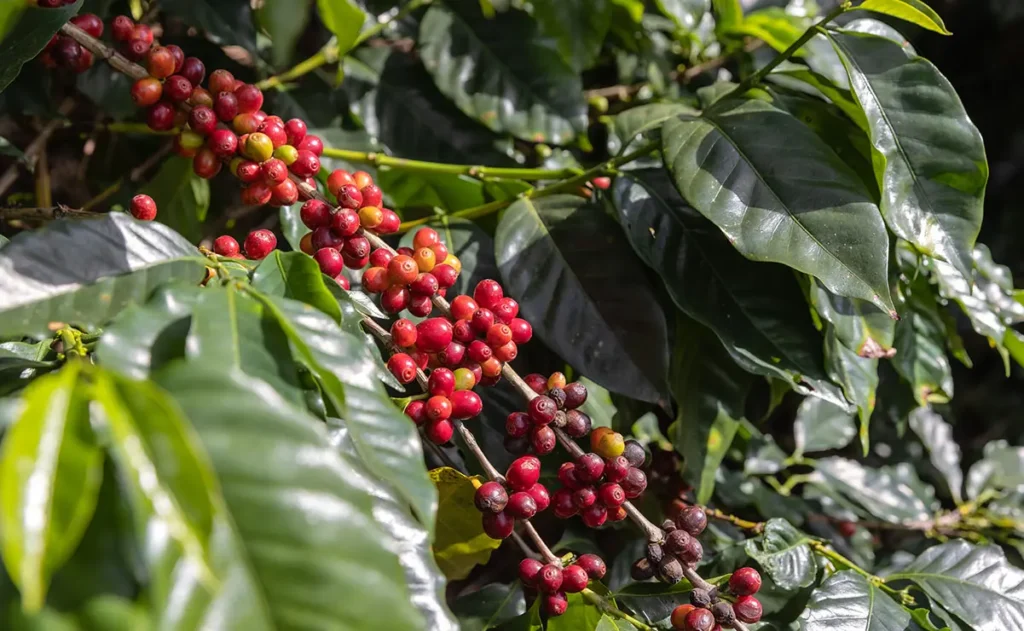
Every elite coffee starts with similar foundations: high-altitude farms, unique microclimates, fertile volcanic soils, and heirloom arabica varieties. These factors combine to produce beans with intense flavor clarity, aromatic complexity, and superior balance. Most top-rated coffees grow between 1,500 and 2,200 meters, where cooler temperatures slow the maturation of coffee cherries. This slower growth allows sugars, acids, and aromatic compounds to develop fully, creating depth and distinction unattainable at lower altitudes.
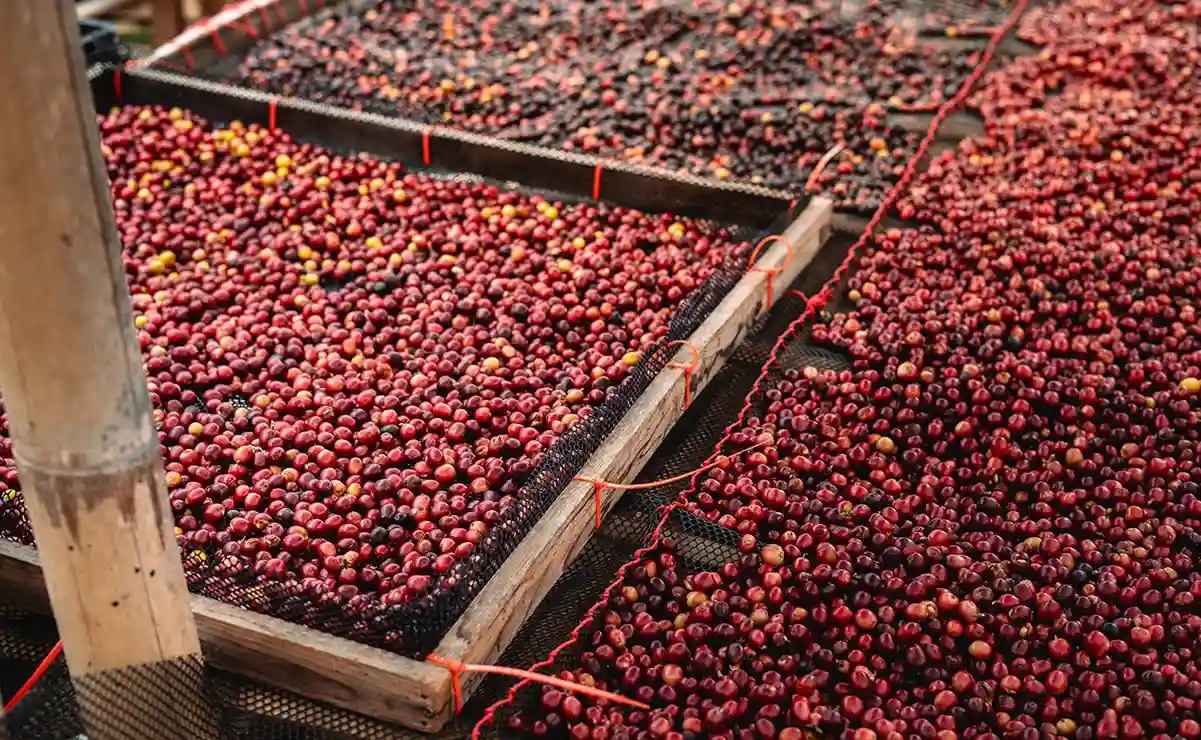
Processing methods further enhance these qualities. Specialty coffees are typically processed using washed, natural, or honey methods, each of which influences the final cup:
- Washed (wet) processing: produces bright, clean, and transparent flavors, often highlighting floral and citrus notes.
- Natural (dry) processing: emphasizes sweetness and fruitiness, creating complex, wine-like profiles.
- Honey processing: balances brightness with body and sweetness, creating versatile and nuanced flavors.
High-scoring coffees (SCA 85–95+) consistently feature traceable origins, clean flavors, and
well-defined tasting notes, which is why they dominate auctions and global specialty rankings.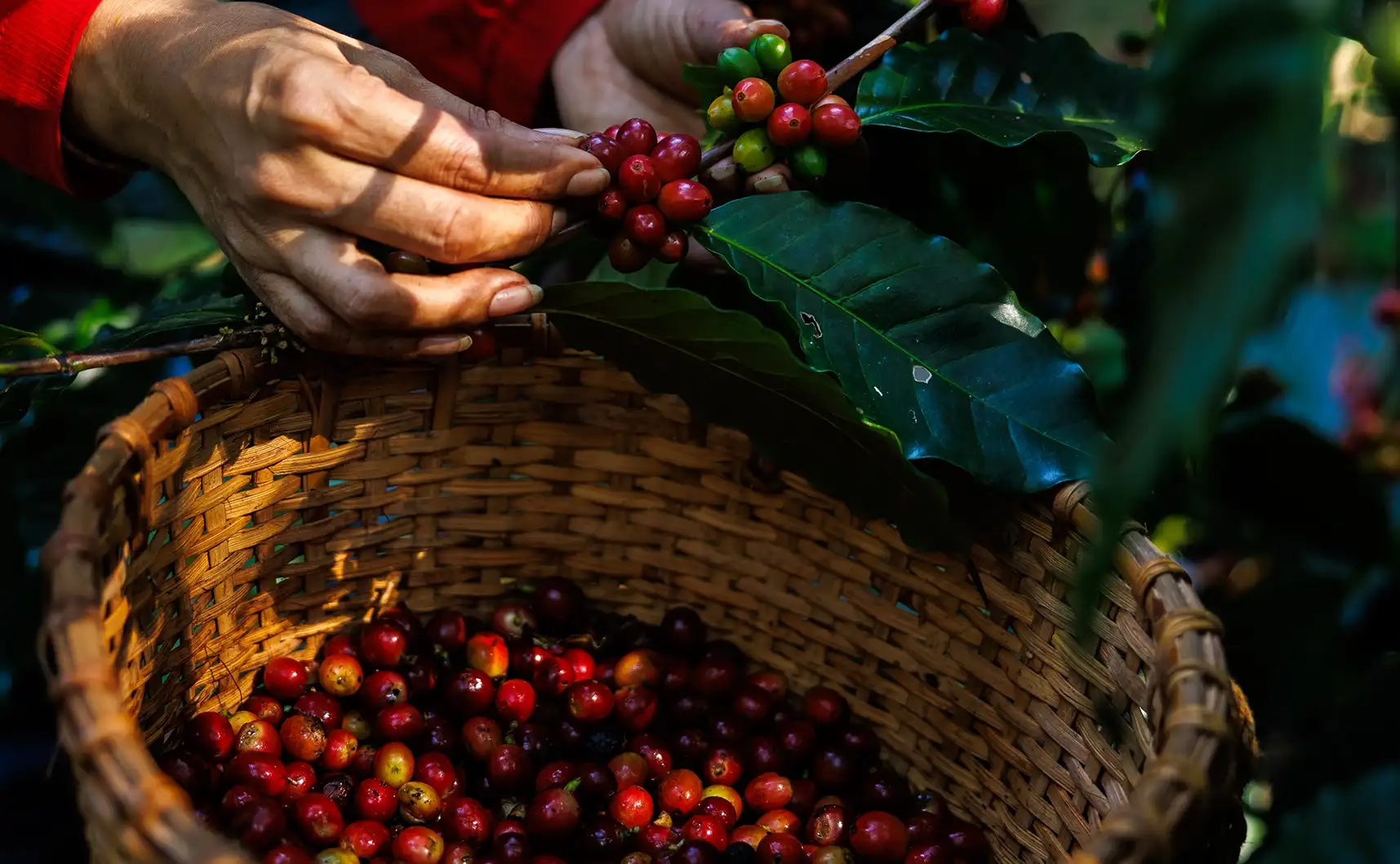
Panama Geisha – A Phenomenon in a Cup
Panama Geisha is not just coffee—it is an icon. Known for its jasmine florals, bergamot, and delicate tea-like body, Geisha has redefined what premium coffee can be, commanding auction prices up to $1,800 per pound for top lots. Its complex aromatics and pristine finish make it the ultimate benchmark for both sensory excellence and commercial value.
- Region: Boquete, Panama
- Altitude: 1,500–2,000 meters
- Processing: Washed
- Flavor Notes: Jasmine, bergamot, tropical fruits, honeyed sweetness, tea-like body
For global buyers, Geisha represents a rare combination of extraordinary cup quality and strong market demand, often serving as a showcase for premium product lines.
Hawaiian Kona – Smooth Volcanic Elegance
Kona coffee, grown on the mineral-rich volcanic slopes of Hawaii’s Big Island, offers a naturally silky, low-acidity profile. Its flavor balance, subtle nuttiness, and sweetness make it highly desirable in luxury retail markets. Grown in small-lot farms, Kona’s consistency and rarity allow premium roasters to offer reliably excellent cups.
- Region: Kona District, Hawaii
- Altitude: 600–1,200 meters
- Processing: Washed
- Flavor Notes: Nutty, sweet, clean, balanced, smooth mouthfeel
Kona is perfect for medium roasts and espresso blends, as well as single-origin premium offerings.
Kopi Luwak – Unique Fermentation at Its Finest
Kopi Luwak has long sparked debate, but ethically sourced wild-foraged batches remain highly prized. The civet fermentation process subtly alters the coffee’s chemical profile, creating a smooth, low-bitterness cup with nutty undertones and a rounded mouthfeel.
- Region: Indonesia (Sumatra, Java, Bali)
- Altitude: 900–1,500 meters
- Processing: Civet-fermented natural
- Flavor Notes: Smooth chocolate, caramel, nutty, subtle earthy undertones
Ethically sourcing is essential: avoid industrial-scale production, and ensure the civets are free-range and unharmed.
Kenya AA & Tanzanian Peaberry – East Africa’s Bright Signature
Kenya AA is known for its vibrant acidity, wine-like berry notes, and exceptional clarity. Its large bean size signals premium grading, highly valued in European and North American markets.
Tanzanian Peaberry, a naturally occurring single-seed variant, intensifies sweetness and acidity due to its compact size and unique density.
- Kenya AA: Bright acidity, blackcurrant, citrus, floral notes
- Tanzanian Peaberry: Juicy berry, tomato-like acidity, clean finish
- Processing: Washed (Kenya), Washed/Natural (Tanzania)
These coffees are staples for specialty roasters seeking high-quality filter coffee and espresso with clarity and distinction.
Ethiopian Yirgacheffe – The Floral Heritage of Coffee
Yirgacheffe is renowned for its jasmine florals, peachy notes, and bright tea-like acidity. Ethiopia, as the birthplace of arabica, offers ancient heirloom varietals that carry unmatched genetic diversity, resulting in unique aromatics and complex flavors.
- Region: Yirgacheffe, Sidamo, Ethiopia
- Altitude: 1,700–2,200 meters
- Processing: Washed/Natural
- Flavor Notes: Jasmine, citrus, peach, honeyed sweetness, tea-like body
Perfect for pour-over brewing, Yirgacheffe remains a consistent favorite for buyers and roasters worldwide.
Yemeni Mocha – Ancient Complexity
Yemen’s coffee history stretches back centuries, with cherries often sun-dried on rooftop terraces using traditional methods. The resulting cup is complex, wine-like, with chocolate and spice undertones, representing some of the world’s most historically significant coffee. Limited production adds to its rarity and premium value.
- Region: Sana’a Highlands, Yemen
- Altitude: 1,400–2,100 meters
- Processing: Natural (dry)
- Flavor Notes: Wine-like, chocolate, date, subtle spice
Yemeni Mocha is ideal for roasters targeting premium retail or historical single-origin series.
Sumatra Mandheling – Earthy, Bold, and Full-Bodied
Sumatra Mandheling stands out for its heavy body, earthy tones, herbal complexity, and low acidity. Its signature Giling Basah wet-hulling method produces deep, rich flavors, making it a staple for espresso blends and strong single-origin offerings.
- Region: Northern Sumatra, Indonesia
- Altitude: 1,200–1,800 meters
- Processing: Wet-hulled (Giling Basah)
- Flavor Notes: Earthy, chocolate, herbal, full-bodied
Mandheling pairs well with medium-dark roasts, enhancing body while maintaining complex undertones.
Guatemala Antigua & Huehuetenango – Balanced and Reliable
Guatemala offers some of the most balanced and consistent coffees globally. Antigua coffees are celebrated for chocolate sweetness and clean acidity, while Huehuetenango highlights brighter fruit tones and floral notes due to its higher elevations. These coffees are reliable for both specialty retail and medium-to-dark roast profiles.
- Region: Antigua and Huehuetenango, Guatemala
- Altitude: 1,500–2,100 meters
- Processing: Washed/Natural
- Flavor Notes: Chocolate, red fruits, floral, balanced acidity
They remain highly sought after by buyers looking for versatile and premium offerings.
Costa Rica Tarrazú – Transparency and Brightness
Tarrazú is synonymous with clean, bright, and sweet cups, featuring citrus notes, brown sugar sweetness, and lively acidity. Its high-quality micro-lots and strict farm-to-cup standards make it ideal for buyers prioritizing traceability and flavor consistency.
- Region: Tarrazú, Costa Rica
- Altitude: 1,400–1,900 meters
- Processing: Washed
- Flavor Notes: Citrus, brown sugar, floral, clean finish
This coffee is ideal for pour-over, Aeropress, and light-roast single-origin products.
Uganda Mount Elgon – A Rising Specialty Origin
Uganda’s Mount Elgon arabica is rapidly gaining recognition for its juicy berry notes, citrus brightness, and refined chocolate undertones. High-altitude farms combined with improved processing practices position Uganda as one of the fastest-growing specialty origins.
- Region: Mount Elgon, Bugisu, Uganda
- Altitude: 1,600–2,300 meters
- Processing: Washed/Natural
- Flavor Notes: Berry, citrus, chocolate, bright acidity
Uganda represents a balance of quality, price, and ethical sourcing, making it a smart choice for global roasters.
How Professional Buyers Ensure Quality
- Check the Crop Year – Fresh harvests preserve aroma and clarity.
- Verify SCA Scores (85–95+) – Indicates clean flavor, balance, and precise processing.
- Understand the Processing Method – Washed for brightness, Natural for sweetness, Honey for balance.
- Match Roast Levels to the Origin – Light roasts for floral/citrus, medium for balanced profiles, dark for heavy-bodied coffees.
- Select Proper Brewing Methods – Pour-over highlights floral nuances, espresso enhances chocolate and body, cold brew smooths the cup.
- Store Correctly – Keep green beans in cool, dry, airtight conditions; roast within weeks of delivery for maximum flavor.
Conclusion
The world’s best coffees are distinguished not only by exceptional flavors but also by their heritage, rarity, precise cultivation, and recognition in global markets. From the floral elegance of Panama Geisha to the volcanic sweetness of Hawaiian Kona and the rising prominence of East African high-altitude origins, these coffees define global standards of excellence.
For importers, roasters, and specialty buyers, understanding these origins ensures smarter purchasing, premium product offerings, and an unparalleled cup experience.