Bananas are one of the world’s most traded fruits — consumed daily in millions of homes and exported across continents. But few people realize how much the color of a banana can influence its nutrition, taste, and health benefits. Whether it’s green, bright yellow, or brown-spotted, each ripeness stage tells a different nutritional story.
In this guide, we’ll explore how banana color affects its health value, which stage is best for different dietary goals, and what that means for consumers and global food traders alike.
Why Banana Color Matters for Health
Banana color isn’t just about appearance — it’s a visual indicator of ripeness, sugar levels, and nutrient composition. As bananas mature, their starch gradually converts into sugars, their texture softens, and their flavor profile changes.
For consumers, this transformation means a shift in digestibility and nutritional benefits. For exporters and distributors, understanding these stages helps in targeting specific markets — for example, green bananas are popular for cooking and export stability, while yellow and brown ones are ideal for direct consumption or processing.
Nutritional Comparison by Banana Color
Each banana color stage — green, yellow, and brown-spotted — offers a unique nutritional profile.
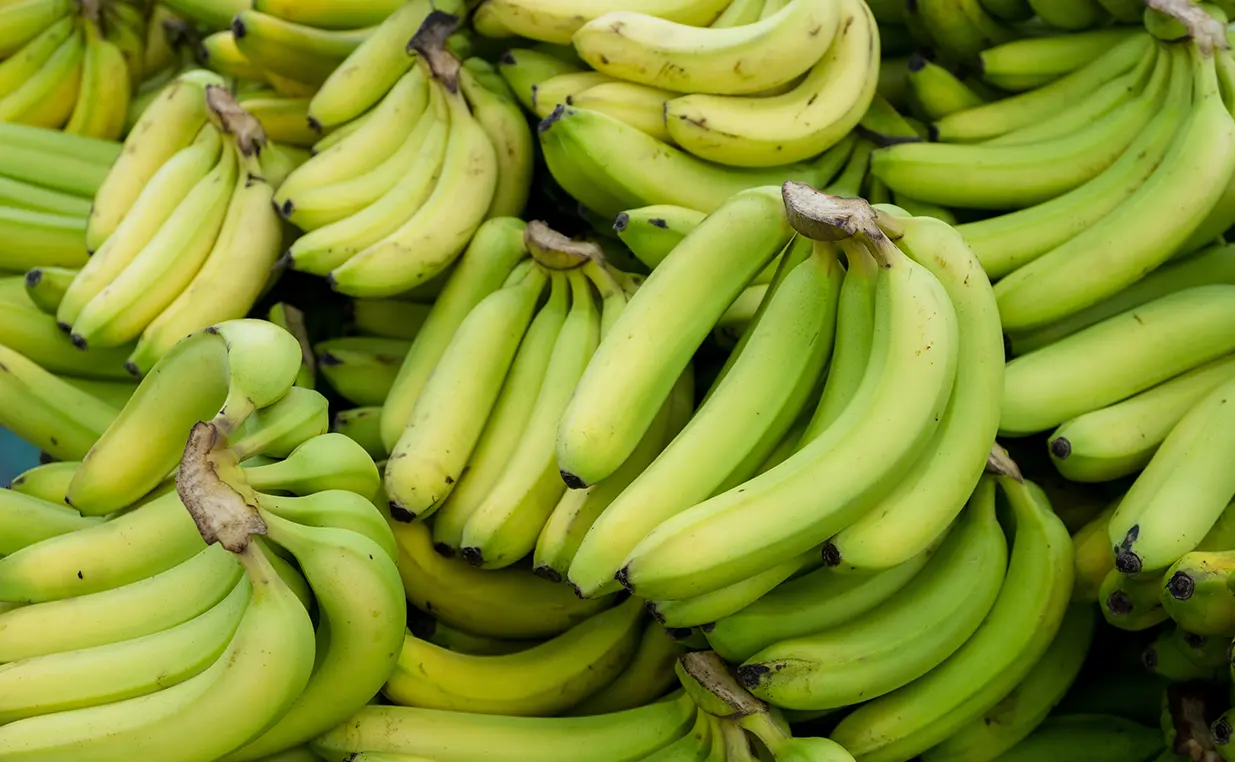
Green Bananas: Benefits and Nutritional Profile
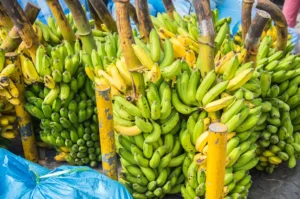
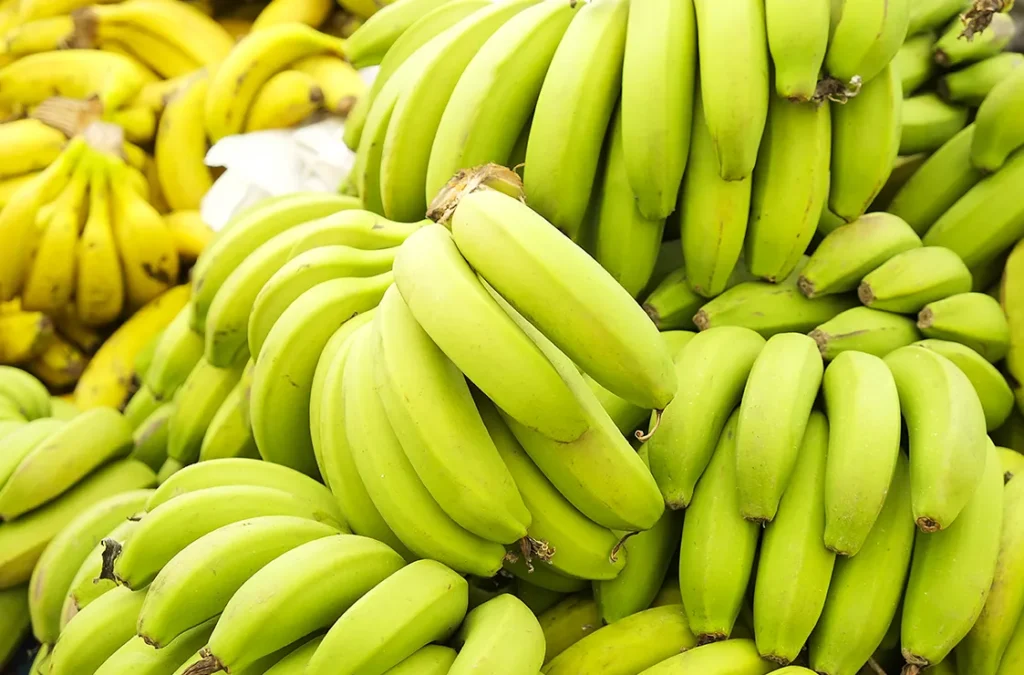
Green bananas are rich in resistant starch, a type of carbohydrate that acts like fiber and supports gut health. They’re low in sugar and have a low glycemic index, making them an excellent choice for diabetic-friendly diets or those focused on slow energy release.
Nutrients include:
- High in resistant starch and fiber
- Moderate potassium and vitamin C levels
- Supports healthy digestion and gut flora
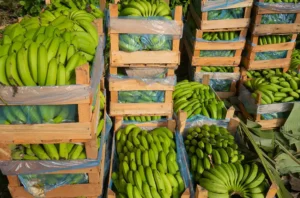
Green bananas are also commonly used for export in cooking markets — especially in regions where plantain-like bananas are preferred for frying or boiling.
Yellow Bananas: Health Highlights and Ease of Digestion
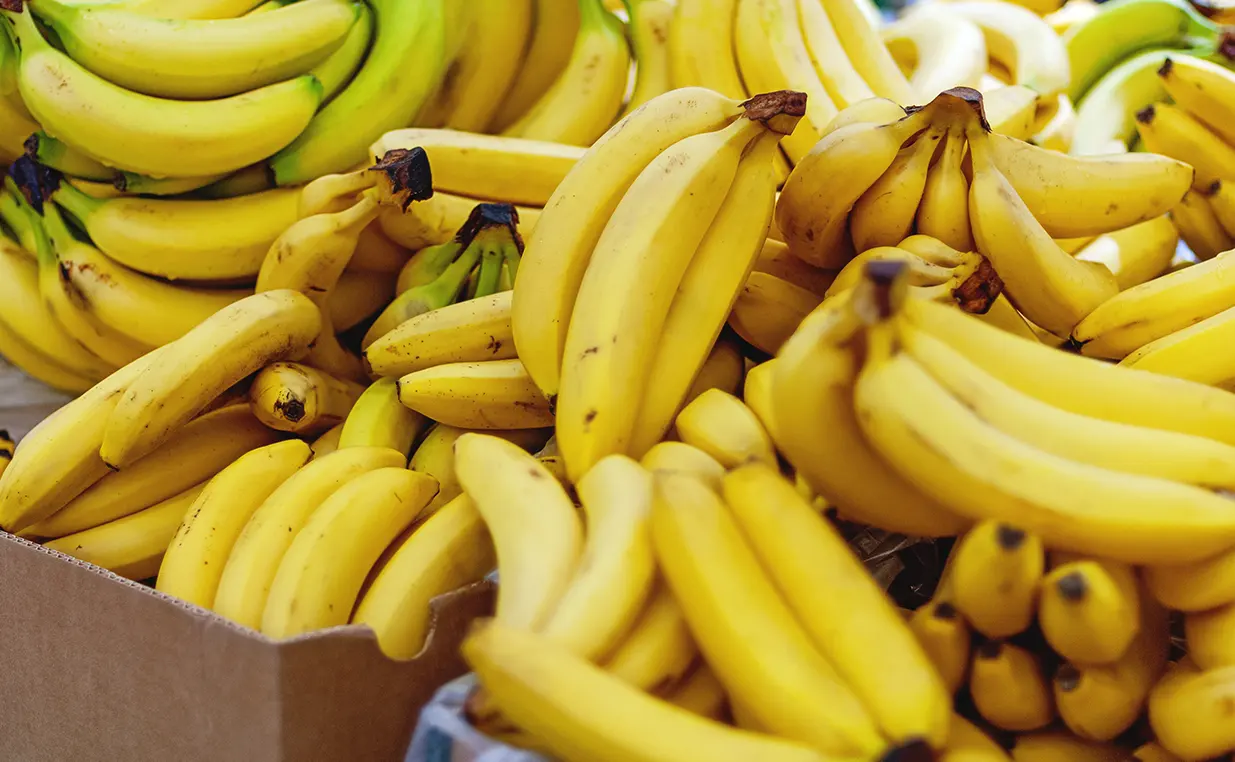
When a banana turns bright yellow, it reaches its optimal balance of sweetness and nutrition. At this stage, resistant starch converts into natural sugars (glucose, fructose, and sucrose), making it easier to digest.
Nutritional benefits:
- Rich in vitamin B6, potassium, and magnesium
- Natural source of quick energy
- Supports muscle and nerve function
Yellow bananas are ideal for athletes, active individuals, and consumers seeking a naturally sweet, healthy snack.
Brown-Spotted Bananas: Antioxidant Powerhouses
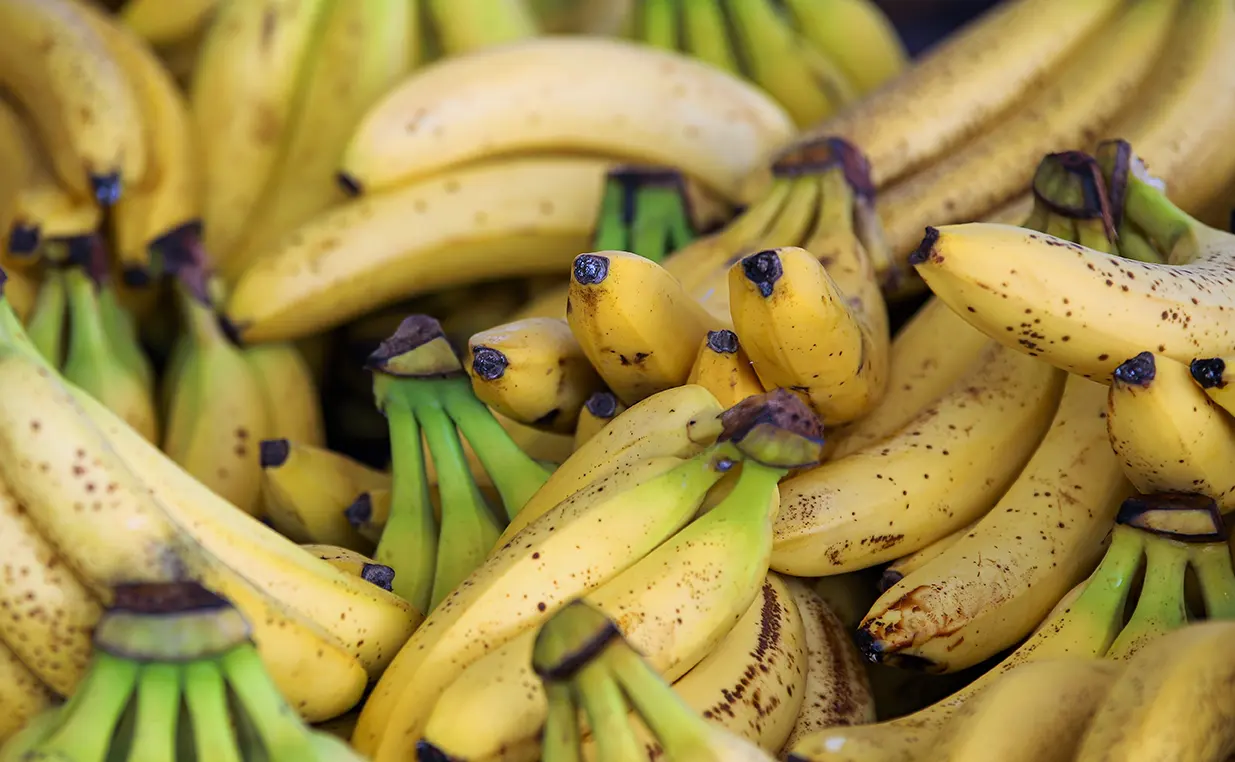
As bananas develop brown spots, their starch converts fully into sugar, and their antioxidant content peaks. These brown bananas contain tumor necrosis factor (TNF), a compound linked to improved immune function and potential cancer-fighting properties.
However, the increased sugar level means they’re less ideal for diabetics but perfect for people needing an energy boost or immune support.
Nutritional notes:
- Highest in antioxidants and bioactive compounds
- Boosts immunity
Excellent for baking, smoothies, and energy-rich meals
Health Benefits Associated with Each Color Stage
| Banana Color | Main Nutrients | Key Health Benefits | Best For |
| Green | Resistant starch, fiber | Gut health, blood sugar control | Diabetics, weight management |
| Yellow | Potassium, vitamin B6, magnesium | Energy, muscle recovery, heart health | Athletes, daily snacks |
| Brown-Spotted | Antioxidants, natural sugars | Immunity, digestion, anti-fatigue | Energy needs, immune boost |
Which Banana Color Is Best for You?
Choosing the right banana color depends on your health goals and nutritional needs.
Considerations for Diabetics and Blood Sugar Management
For people managing blood sugar levels, green bananas are the best choice due to their low glycemic index. Their slow-digesting resistant starch helps regulate glucose release, preventing sugar spikes.
Bananas for Athletes and Energy Needs
Athletes and active individuals often prefer yellow bananas, which provide quick, sustained energy. Their easy digestibility makes them perfect pre- or post-workout snacks.
Tips for Choosing Bananas Based on Health Goals
- Choose green bananas for digestive health and sugar control.
- Opt for yellow bananas for balanced nutrition and energy.
- Enjoy brown-spotted bananas when you need an immune or antioxidant boost.
Making the Most of Banana Nutrition Through Color Awareness
From a nutritional standpoint, banana color is a guide to its internal chemistry and health benefits. Green bananas build gut health, yellow ones energize the body, and brown ones strengthen immunity.
For consumers, understanding this can help tailor healthy eating habits. For exporters, it’s valuable insight for positioning banana varieties by ripeness in target markets — from unripe green shipments for transport stability to ripe, ready-to-eat bananas for local retail.
Bananas truly prove that color matters — not just in appearance, but in nutrition, trade, and global food value.
FAQ
Q1: What nutritional differences exist between green and yellow bananas?
Green bananas are higher in resistant starch and fiber, beneficial for gut health, while yellow bananas have more antioxidants, vitamins, and natural sugars for quick energy.
Q2: Are brown bananas healthier than other colors?
Brown spotted bananas have the highest antioxidant levels but also more sugar, making them ideal for immune support but less suitable for diabetics.
Q3: Which banana color is best for diabetic patients?
Green bananas are best, with a low glycemic index that helps control blood sugar.
Q4: How does banana ripeness affect digestion?
Riper bananas are easier to digest because starch has turned into sugar, while green bananas take longer to digest but improve long-term gut health.
Q5: Can banana peel color indicate health benefits?
Yes — green indicates more starch, yellow means higher antioxidants, and brown spots signal increased immune-boosting compounds.