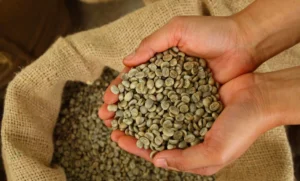
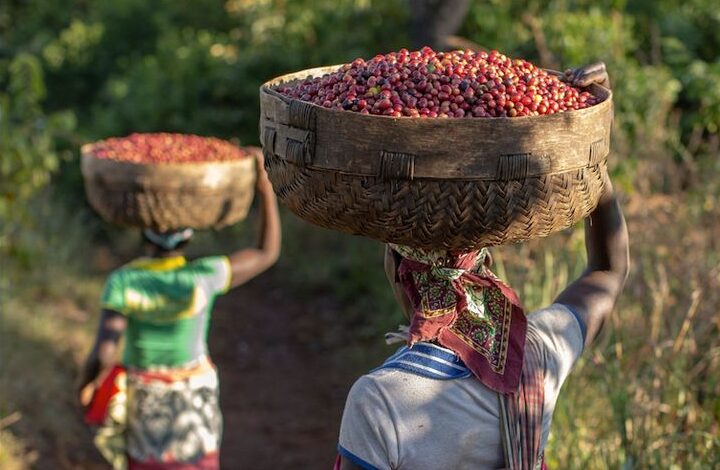
Uganda has become one of the most strategically important origins in the global coffee trade. For importers, roasters, and distributors, the country offers a rare combination of competitive pricing, stable supply volumes, and improving quality standards. If your goal is to buy Uganda green coffee beans wholesale, understanding the sourcing process, supplier selection, pricing structure, and logistics flow is essential to building a reliable and profitable supply chain.
This guide provides a complete, practical overview for B2B buyers looking to source directly from a Uganda coffee supplier or export partner.
Why Uganda Is a Strong Coffee Sourcing Destination
Uganda is one of the largest coffee-producing countries in Africa and is especially recognized for its high-volume Robusta production. In recent years, Arabica cultivation has also expanded in high-altitude regions, improving the country’s overall export profile.
From a sourcing perspective, Uganda offers several strategic advantages for international buyers:
First, production scale is significant. Uganda consistently produces large volumes of green coffee, making it suitable for buyers who require continuous supply rather than small specialty batches.
Second, pricing is highly competitive. Compared to Latin American or some Asian origins, bulk green coffee beans price from Uganda is often more attractive due to lower production and labor costs.
Third, the country has an established export system. Coffee is one of Uganda’s key export commodities, meaning logistics, documentation, and trade infrastructure are relatively mature.
Finally, Uganda’s Robusta coffee is particularly valued in espresso blends and instant coffee production due to its strong body and high caffeine content. This makes it especially attractive for industrial buyers and large-scale roasters working with a robusta coffee exporter Uganda.
How Wholesale Coffee Buying Works
Understanding the structure of green coffee beans wholesale purchasing is critical before entering negotiations.
The process typically begins with identifying a suitable supplier or exporter. Buyers then submit a request specifying required volume, grade, and target price range. At this stage, serious suppliers will provide detailed product specifications, including moisture content, defect rate, screen size, and harvest information.
Next comes sample evaluation. Buyers usually request 300g–1kg samples for cupping and quality testing. This step is essential because coffee quality can vary significantly between regions and harvest batches.
Once samples are approved, pricing negotiations begin. These are typically based on international market benchmarks (such as ICE Arabica or Robusta futures), plus origin differentials and logistics costs.
After agreement, both parties sign a sales contract outlining quantity, quality standards, packaging, delivery terms (Incoterms), and payment structure. Only after this stage does production, sorting, and export preparation begin.
MOQ, Pricing & Contract Terms Explained
Minimum order quantities (MOQ) are an important factor when working with a Uganda coffee supplier.
Most exporters set MOQs between 5 and 10 metric tons per shipment. However, for new buyers or trial orders, some suppliers may allow smaller quantities, especially if they are targeting long-term partnerships.
Pricing is influenced by several key variables:
The first factor is coffee grade. Higher-grade beans with fewer defects and better screen size naturally command higher prices.
The second factor is type. Robusta is generally cheaper than Arabica due to higher yield and easier cultivation, which directly impacts bulk green coffee beans price.
The third factor is market conditions. Global supply shortages, freight costs, and currency fluctuations can all influence final pricing.
Contract terms usually include quality specifications, packaging type (commonly 60kg jute bags with or without grainpro lining), shipment schedule, and payment conditions. Common payment structures include partial advance payments or documentary credit (LC), depending on the buyer’s risk profile.
How to Verify a Reliable Supplier
Supplier verification is one of the most critical steps when planning to coffee import from Uganda. Many issues in international trade come from insufficient due diligence at the supplier stage.
A reliable exporter should be able to provide official registration documents and export licenses. This ensures they are legally authorized to handle international shipments.
Another key indicator is transparency in communication. Professional suppliers provide clear documentation, fast responses, and detailed product data without hesitation.
Buyers should also request past shipment references or export history. This helps verify whether the supplier has experience handling international logistics and compliance requirements.
Third-party certifications or inspections are also valuable, especially for buyers entering high-volume contracts. While not always mandatory, they add an additional layer of trust and accountability.
Finally, consistency in sample quality is essential. A reliable supplier should be able to deliver similar quality across multiple batches, not just a single sample.
Quality Control Before Shipment
Quality control plays a decisive role in maintaining consistency when sourcing green coffee beans wholesale from Uganda.
Before shipment, reputable exporters conduct multiple layers of inspection. These typically include moisture testing, defect sorting, and physical grading based on screen size.
Moisture content is especially important because it directly affects storage stability and roasting performance. Most export-grade coffee is maintained within a controlled moisture range to prevent mold or deterioration during transit.
Cupping tests are also conducted to evaluate flavor profile, aroma, and potential defects. Even in bulk commercial trade, cupping ensures that the coffee meets baseline quality expectations.
Foreign matter removal is another key step. This includes removing stones, sticks, and other impurities that may have entered during harvesting or processing.
In many cases, international buyers also hire independent inspection companies to verify quality before shipment. This provides an additional safeguard against discrepancies between contract specifications and actual delivered goods.
Export & Shipping Overview
The logistics process for coffee import from Uganda typically involves coordination between inland transport, export documentation, and international shipping lines.
Most coffee exports are transported from Uganda to major seaports in neighboring countries, particularly Mombasa in Kenya, which serves as a primary export gateway.
Depending on order size, shipments are arranged as either Full Container Load (FCL) or Less than Container Load (LCL). FCL is more common for commercial buyers because it reduces handling risks and ensures better cost efficiency per unit.
Export documentation includes several mandatory certificates such as Certificate of Origin, Phytosanitary Certificate, Bill of Lading, and detailed commercial invoices.
Transit time varies depending on destination markets. European and Middle Eastern shipments are typically faster, while destinations in North America or Asia may require longer transit periods due to routing and customs clearance.
Common Risks in Coffee Importing
While Uganda is a strong sourcing origin, international coffee trade always involves certain risks that buyers must manage carefully.
Price volatility is one of the most significant factors. Coffee is a globally traded commodity, and prices can change rapidly based on weather conditions, supply disruptions, or market speculation.
Another risk is quality variation between harvests. Even within the same supplier, seasonal differences can affect bean size, moisture levels, and flavor consistency.
Logistics delays are also common, particularly in cross-border transport to ports and during peak shipping seasons. These delays can impact delivery timelines and inventory planning.
Finally, supplier reliability is a key concern. Working with unverified or inexperienced exporters can lead to inconsistent quality or communication issues. This is why structured verification processes are essential.
Final Thoughts
Uganda continues to strengthen its position as a competitive and reliable origin for global coffee sourcing. For importers seeking scalable supply and cost efficiency, the country offers strong advantages in both Robusta and Arabica production.
When properly managed, sourcing from Uganda can create long-term value through stable pricing, consistent supply, and strong export infrastructure.
For businesses aiming to expand their coffee portfolio, working with an experienced Uganda coffee supplier is the most effective way to ensure quality and reduce operational risk.
Request a Quotation
Request a quotation for Uganda green coffee bulk supply to receive detailed pricing, specifications, and export options tailored to your business requirements.