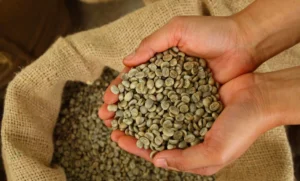
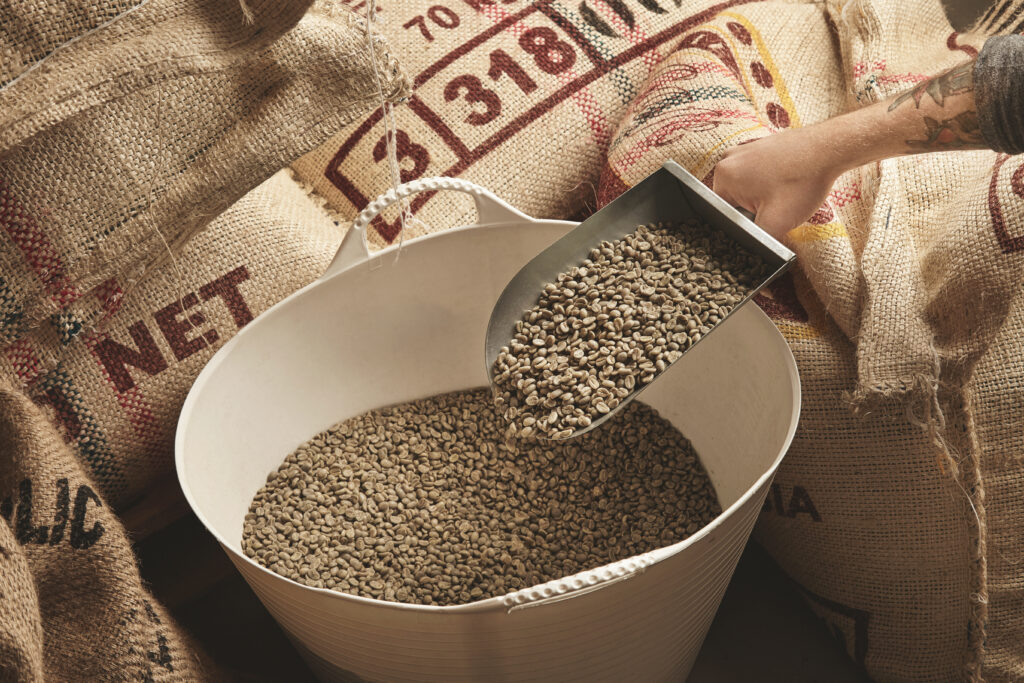
The global coffee industry is changing fast. In 2026, more coffee roasters, importers, and private label brands are looking beyond traditional sourcing origins and exploring new opportunities in Africa. Among the countries gaining serious attention, Uganda has emerged as one of the most promising origins for high-quality Robusta and green coffee sourcing.
For years, Uganda was mainly known as a volume producer. Today, however, the conversation is shifting. Improved processing methods, growing specialty Robusta demand, competitive pricing, and stronger export infrastructure are helping Ugandan green coffee attract buyers from Europe, Asia, the Middle East, and North America.
As global demand for affordable yet high-performing coffee increases, many roasters are discovering that Ugandan coffee offers a strong cost-to-quality advantage—especially for espresso blends and commercial roasting programs.
Uganda’s Growing Role in the Global Coffee Market
Uganda is one of Africa’s largest coffee producers and exporters. Coffee plays a central role in the country’s economy, and over the past few years, investment in farming practices, post-harvest processing, and export quality has increased significantly.
Traditionally, buyers focused heavily on Brazilian Arabica or Vietnamese Robusta. But market conditions are changing. Rising coffee prices, supply chain uncertainty, and growing interest in origin diversity are encouraging importers to explore alternative sourcing regions.
Ugandan green coffee has benefited from this shift.
Today, many coffee roasters see Uganda as a strategic sourcing origin because it offers:
- Stable Robusta production
- Competitive export pricing
- Reliable supply volumes
- Improving cup quality
- Growing specialty coffee potential
At the same time, buyers are becoming more interested in African green coffee beans that combine affordability with distinct flavor characteristics. Uganda fits this demand particularly well.
What Makes Ugandan Green Coffee Different?
Ugandan coffee stands out for its balance between strong body, commercial reliability, and evolving quality standards. While the country produces both Arabica and Robusta, Ugandan Robusta coffee is receiving the most global attention in 2026.
Flavor Profile
One reason roasters are increasingly interested in Uganda coffee beans is their versatility in roasting and blending.
Typical flavor characteristics include:
- Dark chocolate notes
- Earthy and bold body
- Mild nutty sweetness
- Low acidity
- Strong crema performance
These qualities make Ugandan Robusta especially attractive for espresso blends. Many roasters use it to improve body, texture, and crema while maintaining a balanced cost structure.
Compared with some lower-grade Robustas, high-quality Ugandan coffee often delivers a cleaner cup profile with less harsh bitterness. This improvement is one of the reasons specialty Robusta Uganda is gaining recognition among modern roasters.
Bean Quality Improvements
Over the last decade, Uganda’s coffee sector has improved significantly in quality control and post-harvest handling.
Exporters and producers are investing more in:
- Better drying systems
- Improved sorting methods
- Moisture control
- Defect reduction
- Cleaner processing facilities
These upgrades have made Ugandan green coffee more consistent and export-ready for international buyers.
Many wholesale green coffee beans buyers now consider Uganda a more reliable sourcing destination than it was a few years ago. Consistency, which is critical for commercial roasting operations, has become one of the country’s biggest advantages.
Why Roasters Are Interested in Ugandan Robusta
The rising popularity of Ugandan Robusta coffee is not happening by accident. It reflects a broader market shift within the coffee industry.
Roasters today face several challenges:
- Increasing green coffee costs
- Pressure on profit margins
- Demand for stable supply
- Need for blend optimization
- Consumer interest in stronger espresso profiles
Uganda addresses many of these concerns simultaneously.
Cost-to-Quality Advantage
One of the strongest selling points of Ugandan green coffee is its cost-to-quality ratio.
While some premium coffee origins continue to rise in price, Ugandan Robusta remains relatively competitive. For commercial roasters and espresso blend developers, this creates valuable flexibility.
Many buyers view Uganda as an attractive alternative sourcing option because it can deliver:
- Good cup quality
- Better margins
- Reliable availability
- Scalable purchasing volumes
This is especially important for companies producing espresso blends, RTD coffee products, or private label coffee lines.
Rather than replacing all other origins, Ugandan coffee is increasingly used to strengthen blend performance while controlling production costs.
Perfect for Espresso Blends
Espresso-focused roasters are among the biggest buyers of Ugandan Robusta.
Why?
Because Robusta for espresso blends plays an important technical role in coffee formulation.
Ugandan coffee can improve:
- Crema stability
- Mouthfeel
- Caffeine strength
- Body and texture
- Roast depth
For Italian-style espresso blends or darker roast profiles, Ugandan Robusta often performs exceptionally well.
Many roasters use blending ratios between 10% and 30% depending on the desired flavor and crema profile.
As espresso culture continues growing globally, demand for high-performing Robusta origins is also increasing.
Consistent Supply
Supply stability matters enormously in coffee sourcing.
Importers and commercial buyers cannot rely only on flavor; they also need dependable logistics and export consistency.
Uganda’s large production capacity helps support long-term sourcing relationships. This makes it attractive for:
- Large roasting companies
- Distributors
- Private label brands
- Instant coffee manufacturers
For buyers looking for scalable African green coffee beans sourcing, Uganda is becoming a serious option in 2026.
Specialty Robusta Is Changing the Market
For many years, the specialty coffee industry focused almost entirely on Arabica. That mindset is beginning to change.
The rise of specialty Robusta is one of the biggest trends reshaping the coffee market today.
Modern consumers are becoming more open to:
- Stronger flavor profiles
- High-caffeine coffee
- Espresso-focused beverages
- Functional coffee products
At the same time, roasters are discovering that premium-grade Robusta can offer excellent quality when properly processed.
Uganda is benefiting directly from this trend.
Some producers are now focusing on:
- Improved harvesting techniques
- Selective picking
- Specialty-grade processing
- Traceable micro lots
As a result, specialty Robusta Uganda is attracting interest from third-wave coffee roasters and experimental blend developers.
This does not mean Robusta will replace Arabica. Instead, the market is becoming more diverse, and Uganda is positioned well within this transition.
How Ugandan Coffee Supports Sustainable Sourcing
Sustainability has become an essential part of modern coffee sourcing decisions.
Many international buyers want coffee that supports:
- Ethical sourcing
- Farmer development
- Supply chain transparency
- Long-term agricultural sustainability
Uganda’s coffee sector is heavily supported by smallholder farmers. Millions of local producers depend on coffee cultivation as a primary income source.
For importers and roasters, sourcing from Uganda can contribute to more diversified and socially responsible supply chains.
In addition, many Ugandan coffee exporters are improving traceability systems and working more closely with farming communities.
As sustainable coffee sourcing becomes more important to consumers and businesses alike, Uganda’s position in the market may continue to strengthen.
What Importers Should Look for When Sourcing from Uganda
Finding the right supplier is just as important as choosing the right origin.
When sourcing green coffee beans Uganda exporters offer, buyers should evaluate several key factors.
Moisture Level
Proper moisture content is critical for storage stability and roasting consistency. Most professional buyers look for moisture levels within accepted export standards.
Screen Size
Screen size affects roasting behavior and blend consistency. Buyers should clearly define desired grading specifications before purchasing.
Defect Count
Defect control remains one of the most important quality indicators in commercial coffee sourcing.
Reliable exporters should provide transparent quality reports and inspection standards.
Exporter Reliability
Long-term success depends heavily on working with experienced Ugandan coffee exporters who understand logistics, documentation, and international quality expectations.
Buyers should evaluate:
- Export experience
- Communication quality
- Sample consistency
- Shipping reliability
- Quality assurance systems
Strong supplier relationships are becoming increasingly important as global coffee demand continues evolving.
Final Thoughts
Ugandan green coffee is no longer viewed simply as a low-cost sourcing option. In 2026, it is becoming a strategic choice for coffee roasters seeking consistency, strong espresso performance, competitive pricing, and emerging specialty potential.
As the coffee market continues shifting, Uganda’s role is likely to grow even further—especially in the Robusta category.
For roasters and importers looking to diversify sourcing, improve blend economics, and respond to changing consumer demand, Ugandan coffee offers a compelling opportunity.
Whether for espresso blends, private label roasting, or commercial coffee production, Uganda is increasingly proving that it deserves global attention.
Looking for a reliable Ugandan green coffee supplier? Contact our team for samples and export information.
Request a sample shipment of Ugandan Robusta green coffee beans for your roasting business today.
FAQ
What does Ugandan Robusta taste like?
Ugandan Robusta typically offers chocolate notes, earthy body, low acidity, and strong crema performance. It is widely used in espresso blends because of its bold texture and balanced bitterness.
Is Ugandan coffee good for espresso?
Yes. Ugandan Robusta is highly suitable for espresso blends due to its dense body, crema strength, and strong caffeine profile.
Why are roasters switching to Ugandan coffee?
Many roasters are attracted by Uganda’s improving coffee quality, competitive pricing, stable supply, and growing specialty Robusta potential.
Is Ugandan Robusta specialty grade?
Some Ugandan producers now offer specialty-grade Robusta with improved processing, selective harvesting, and traceable sourcing methods.
How much does Ugandan green coffee cost?
Prices vary depending on grade, processing method, volume, and global market conditions. However, Ugandan coffee is generally considered competitive in terms of cost-to-quality compared to other Robusta origins.