Global demand for tropical fruits continues to grow, and bananas remain one of the most actively traded commodities in international agriculture. For importers and distributors, understanding product consistency and grading systems is essential before entering sourcing agreements. Within this context, Indian banana varieties export has become an important topic for buyers seeking reliable, scalable, and competitively priced supply origins.
India’s banana production is not only large in volume but also diverse in varietal output. Combined with improving post-harvest handling systems, this diversity allows exporters to serve multiple market segments—from mass retail supply chains to premium fruit distributors.
This guide provides a structured overview of export banana varieties from India, grading systems, quality control mechanisms, and key factors that influence international trade decisions.
Major Export Banana Varieties in India
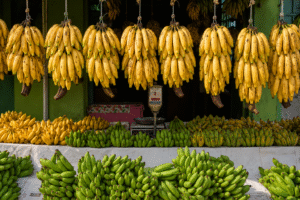
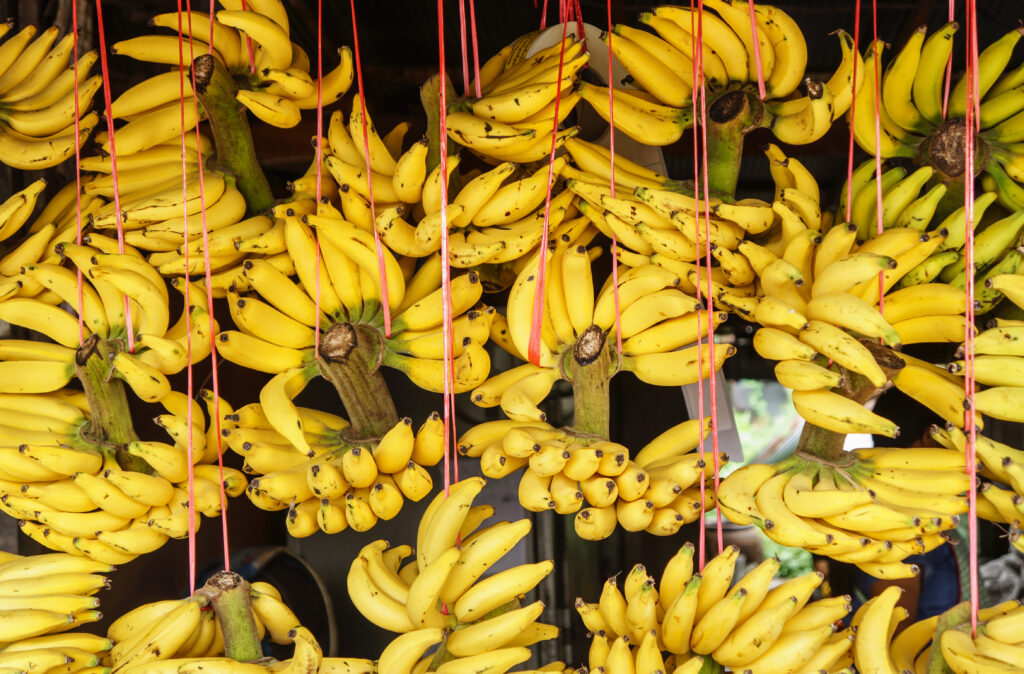
India cultivates a wide range of banana varieties, but only a select group is suitable for international export due to shelf life, transport durability, and uniformity. These varieties form the backbone of export quality Cavendish banana supply chains and specialty fruit segments.
Cavendish (Grand Naine)
The most widely exported banana variety from India. It is favored due to:
- Long shelf life
- Uniform size and appearance
- Strong resistance to handling damage
- Predictable ripening behavior
Cavendish dominates global retail markets and is the primary variety in bulk commercial trade.
Robusta Banana
Robusta is another widely grown export variety, known for:
- Firmer texture compared to Cavendish
- Slightly thicker peel
- Suitability for medium-distance shipping
It is commonly used in regional export markets and wholesale distribution channels.
Nendran Banana
This variety is more popular in niche and ethnic markets. It is characterized by:
- Larger size
- Starchy texture when raw
- Strong culinary applications
While not always used in long-haul shipments, it is valuable in specialized export markets.
Red Banana
A premium variety with growing international demand:
- Distinct red-colored peel
- Sweet flavor profile
- High nutritional perception
Often exported in smaller volumes for specialty retail segments.
These varieties form the core of Indian banana varieties export, each serving distinct commercial purposes depending on market demand and logistics capacity.
Quality Grading & Size Classification
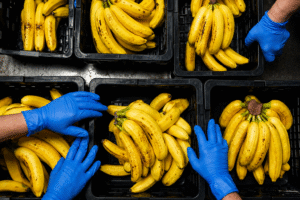
One of the most important aspects of international banana trade is standardization. Buyers expect uniformity across shipments, which is achieved through strict grading systems.
Banana Grading Export Standards
Export-grade bananas are typically classified based on:
- Length
- Diameter
- Color stage
- Weight per hand or bunch
- Defect tolerance
Standard grading ensures consistency in retail presentation and ripening performance.
Banana Size Classification Export
Bananas are usually categorized into size grades such as:
- Small (short length, higher density per box)
- Medium (balanced retail standard size)
- Large (premium retail presentation)
Each market may have slightly different classification preferences, but uniformity within a shipment is critical for retail chains.
Defect Control Parameters
Export standards typically limit:
- Bruising or mechanical damage
- Skin blemishes
- Irregular curvature
- Overripe or underripe fruits
Strict banana grading export standards ensure that only market-ready fruits enter international supply chains.
Ripening Control in Export Chain
Bananas are unique among fresh fruits because they continue to ripen after harvest. This makes ripening control a critical factor in maintaining export quality.
In controlled export systems, ripening is carefully managed in three phases:
Pre-Harvest Control
- Harvest timing based on maturity index
- Field monitoring of starch development
- Selection of export-grade bunches
Transit Control
During shipping, ripening is slowed through:
- Temperature regulation (cold chain systems)
- Controlled humidity levels
- Ethylene suppression environments
Destination Ripening
At arrival, bananas are placed in ripening chambers where:
- Temperature is gradually adjusted
- Ethylene gas is introduced in controlled doses
- Ripening is synchronized with retail demand
This structured approach ensures that bananas arrive in optimal condition rather than fully ripened during transit.
Shelf Life Considerations
Shelf life is a key concern for importers managing distribution timelines. Export bananas must maintain firmness and freshness long enough to reach retail shelves and consumer markets.
Key factors affecting shelf life include:
- Harvest maturity stage
- Temperature consistency during shipping
- Packaging ventilation efficiency
- Transit duration
- Handling conditions at ports
When properly managed, export bananas from India can maintain marketable condition for extended periods, making them suitable for both nearby and long-distance markets.
Shelf life optimization is closely tied to fresh banana quality control systems implemented at farm and packing level.
Buyer Quality Checklist
For importers, evaluating suppliers is not only about price but also consistency and reliability. The following checklist helps assess whether an exporter meets international expectations:
1. Consistency of Supply
- Ability to deliver uniform batches
- Stable year-round availability
2. Compliance with Export Standards
- Adherence to international grading systems
- Certification compliance (e.g., Global GAP, phytosanitary standards)
3. Packaging Quality
- Strong carton structure
- Proper ventilation design
- Damage prevention features
4. Cold Chain Integration
- Pre-cooling facilities
- Refrigerated transport availability
- Reefer container usage
5. Ripening Management Capability
- Controlled ripening processes at destination
- Coordination with import schedules
6. Traceability Systems
- Farm-level tracking
- Batch identification systems
- Quality reporting mechanisms
This checklist helps importers reduce risk and ensure they are working with a reliable Indian banana supplier network.
Packaging Standards
Packaging plays a critical role in preserving banana quality during transportation. Export packaging is designed to balance protection, airflow, and stacking efficiency.
Standard packaging practices include:
- Corrugated fiberboard cartons
- Reinforced corner protection
- Ventilation holes for airflow regulation
- Moisture-resistant liners
- Standardized weight per box
Proper packaging ensures that fruits comply with international handling requirements and reduces damage during long-distance shipping.
These banana packaging export standards are essential for maintaining quality consistency across global supply chains.
Final Thoughts
India has become a strong and reliable source for global banana supply, supported by diverse varieties, improving agricultural practices, and structured export systems. Understanding varietal differences, grading systems, and quality control mechanisms is essential for importers who want to build stable sourcing strategies.
From Cavendish to specialty varieties, Indian banana varieties export offers flexibility for different market segments, while standardized grading and ripening systems ensure predictable quality outcomes.
For buyers seeking dependable supply chains, the key lies in evaluating not only product price but also logistics capability, quality control systems, and packaging standards.
Get premium export-grade Indian bananas.