For coffee importers, roasters, and wholesale buyers, understanding coffee grades is not just a technical requirement—it is a critical business decision. Coffee grading directly affects flavor consistency, roasting performance, pricing, and long-term sourcing reliability. When sourcing from Uganda, buyers frequently ask the same question: How does the Uganda coffee grading system actually work?
Uganda is one of Africa’s leading coffee exporters, particularly known for its Robusta production. However, not all Uganda coffee is equal in quality. Beans are classified based on screen size, defect count, moisture level, density, and physical consistency before they enter export markets. Understanding these standards helps buyers reduce sourcing risks and negotiate with greater confidence.
This guide explains Uganda coffee grades, the robusta coffee grading system, defect classifications, and what professional buyers should evaluate before purchasing export-grade green coffee.
How Coffee Grading Works Globally
Before diving into Uganda-specific standards, it is important to understand how coffee grading generally works worldwide.
Coffee grading is essentially a system used to classify green coffee according to measurable quality factors. While grading systems differ slightly between producing countries, most exporters and importers evaluate coffee based on a combination of:
- Bean size (screen size)
- Defect count
- Moisture content
- Density
- Processing method
- Cup quality
- Uniformity
For specialty coffee buyers, sensory evaluation plays a major role. However, in commercial and industrial trade—particularly in Robusta markets—physical grading standards often carry greater importance.
The purpose of grading is straightforward: it creates a common language between suppliers and buyers. Instead of vague descriptions such as “good quality coffee,” buyers can work with measurable specifications and standardized expectations.
For example, an importer sourcing container volumes needs assurance that one shipment will closely match the previous batch. A structured coffee grading export system helps maintain consistency across contracts and harvest seasons.
In many producing countries, grading standards are regulated or supervised by export authorities and commodity organizations to ensure compliance with international trade requirements.
Uganda Coffee Grade System Overview
Uganda primarily exports two coffee categories:
- Robusta coffee
- Arabica coffee
Although Arabica production has expanded in high-altitude regions, Uganda remains globally recognized for Robusta exports. Because of this, the robusta coffee grading system plays a particularly important role in Uganda’s coffee sector.
Ugandan coffee grades are typically determined using three core quality indicators:
1. Screen Size
Bean size is one of the most visible indicators of grading. Larger beans are often associated with better uniformity and roasting performance.
2. Defect Count
Defects refer to physical imperfections or damaged beans present within a sample lot.
3. Physical Quality Standards
This includes moisture content, foreign matter contamination, broken beans, bean density, and visual consistency.
For Robusta coffee, Uganda commonly uses grading categories such as:
Screen 18 (Superior Grade)
Large beans with strong uniformity and premium export positioning.
Screen 15–17
Commercial export quality suitable for mainstream roasting operations.
Screen 12–14
Lower commercial grades, often used in blends or industrial applications.
In addition to bean size, grades may include classifications linked to preparation standards, defect tolerance, and regional sourcing.
Professional buyers should understand that grading systems are not purely cosmetic. Bean size and preparation quality influence roasting behavior, extraction performance, and end-cup consistency.
Screen Size & Sorting Process
One of the most important factors in Uganda coffee quality standards is bean screen size.
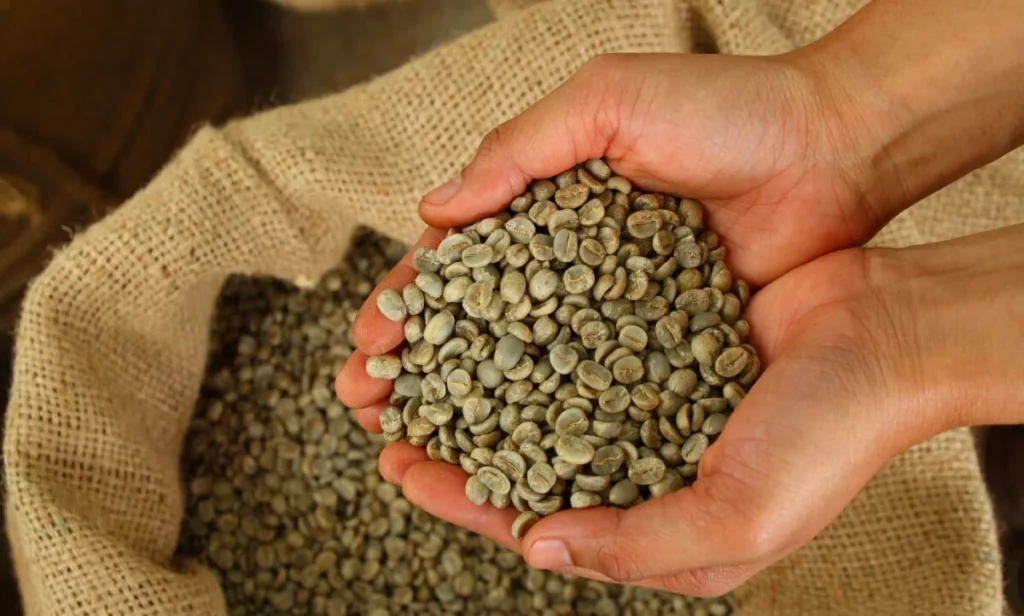
Screen size refers to the measurement of coffee beans using perforated screens. The larger the bean, the larger the screen number required for separation.
The measurement system is standardized internationally:
- Screen 18 = 18/64 inch
- Screen 16 = 16/64 inch
- Screen 14 = 14/64 inch
This process ensures uniformity before export.
Why does screen size matter?
The answer lies in roasting performance.
When beans vary significantly in size, they roast unevenly. Smaller beans heat faster and may overdevelop, while larger beans remain underdeveloped. This inconsistency can create flavor instability and production inefficiencies for roasters.
Larger screen sizes are often preferred by commercial buyers because they offer:
- Better roasting consistency
- More uniform heat transfer
- Improved visual appearance
- Higher perceived quality
However, larger beans are not always synonymous with superior flavor. Cup quality depends on multiple variables including terroir, processing, harvesting, and post-harvest handling.
Sorting usually happens through mechanical grading equipment that separates beans according to physical dimensions. In export-oriented facilities, this may be combined with density sorting and manual defect removal.
For buyers sourcing green coffee beans wholesale, requesting detailed screen size reports can significantly reduce procurement uncertainty.
Defect Count Explained
One of the most misunderstood aspects of green coffee defects classification is defect counting.
In professional coffee trade, defects are categorized into two groups:
Primary Defects
These are serious defects that can significantly impact coffee quality.
Examples include:
- Black beans
- Sour beans
- Mold-damaged beans
- Insect-damaged beans
- Foreign matter (stones, sticks)
Primary defects generally have strict tolerance limits in export contracts.
Secondary Defects
These are less severe but still affect consistency.
Examples include:
- Broken beans
- Partial discoloration
- Immature beans
- Shell beans
- Slight physical imperfections
Defect counting is performed using representative coffee samples. Exporters examine a fixed quantity and determine whether the lot falls within contractual tolerance levels.
Why is defect count important?
Because defects directly impact:
- Flavor quality
- Roast consistency
- Production efficiency
- Customer satisfaction
For example, high levels of broken beans can increase roasting inconsistency. Mold-damaged beans may create unpleasant flavors and increase food safety concerns.
Advanced buyers and industrial roasters often request detailed physical analysis reports before shipment.
This is especially important when sourcing container volumes where even minor quality deviations become financially significant.
How Grading Impacts Pricing
One of the most practical reasons buyers study uganda coffee grades explained is because grading strongly influences pricing.
Higher grades generally command higher prices due to:
- Better consistency
- Lower defect levels
- Larger bean sizes
- Improved roasting performance
- Lower production waste
For instance, Screen 18 export-grade Robusta will usually cost more than lower-screen commercial grades.
However, pricing decisions should not rely solely on grade.
Professional buyers typically evaluate:
Cost-to-Performance Ratio
A slightly lower grade may still deliver strong cup performance at a significantly lower cost.
Intended Product Use
Coffee for espresso blends, soluble coffee production, or commercial retail products may not require premium screen sizes.
Roasting Objectives
Some roasters intentionally purchase mixed grades for specific blending strategies.
Supply Stability
Consistency matters more than occasional exceptional lots.
Many experienced buyers prioritize suppliers capable of delivering stable quality across multiple shipments rather than focusing exclusively on the highest grade.
When discussing contracts, buyers should request complete grading specifications instead of relying on generic descriptions like “premium Robusta.”
A professional specification sheet should include:
- Screen size distribution
- Moisture percentage
- Defect count
- Processing type
- Crop year
- Preparation method
- Regional origin
This level of transparency builds trust and reduces misunderstandings.
What Roasters Should Look For
For roasters and importers, understanding uganda coffee quality standards goes beyond reading grading labels.
Several practical considerations should be evaluated before purchasing.
Consistency Between Lots
Even within the same supplier, quality variation may occur across harvests.
Requesting multiple sample lots helps evaluate consistency.
Moisture Content
Moisture stability is critical for storage and roasting behavior.
Coffee that is too dry may roast unevenly, while excessive moisture increases spoilage risk.
Cup Profile Compatibility
Ugandan Robusta is often known for:
- Strong body
- Dark chocolate notes
- Earthy undertones
- Higher caffeine content
These characteristics work particularly well in espresso blends and instant coffee production.
Defect Tolerance
Every roasting operation has acceptable limits depending on product category.
Industrial buyers may tolerate slightly higher defect counts than specialty roasters.
Supplier Transparency
Reliable suppliers willingly provide:
- Grading reports
- Sample consistency data
- Moisture testing
- Export documentation
- Pre-shipment inspections
Trust is built when technical specifications consistently match delivered products.
Common Misconceptions About Uganda Coffee Grades
Professional buyers sometimes misunderstand how grading works in origin countries.
One common misconception is that bigger beans automatically mean better coffee.
While screen size coffee beans often roast more evenly, cup quality also depends heavily on processing, storage, and harvesting standards.
Another misconception is that “premium grade” always means specialty coffee.
In reality, export-grade commercial coffee can still vary significantly in flavor profile and physical quality.
Buyers should also avoid relying solely on marketing language.
Terms such as “high quality” or “premium export” are subjective. Technical specifications provide a much clearer basis for purchasing decisions.
This is why experienced importers prioritize measurable data over descriptive sales language.
Final Thoughts
Understanding Uganda’s coffee grading system is essential for any importer, roaster, or wholesale buyer seeking reliable supply relationships.
From screen size and defect count to moisture control and preparation standards, grading provides a structured framework for evaluating coffee quality before shipment. For businesses sourcing at scale, this knowledge helps reduce risk, improve consistency, and negotiate more effectively.
Uganda remains one of the strongest origins for commercial Robusta supply, but successful sourcing depends on understanding the technical details behind grading standards.
Professional buyers who take time to evaluate grading reports, sample consistency, and supplier transparency are far more likely to build long-term, reliable sourcing partnerships.
Get Full Grading Reports for Uganda Coffee Supply
Looking for reliable Uganda coffee sourcing? Get detailed grading reports, quality specifications, and export-ready supply information tailored to your business requirements.